The recorder is a musical instrument that is a type of flute. It looks like a tube that is wider at one end. A recorder player blows into the wider end to make sounds. In Europe, people started playing the recorder a long time ago, during medieval times. Musicians often used it to sound like bird songs. Famous composers wrote music for the recorder. By the 1900s, fewer people played the recorder. However, in the past 50 years, more people began to learn the recorder again. One reason was a new interest in playing old music on the instruments it was written for. Another reason is that the recorder is a great instrument for children to learn about music.
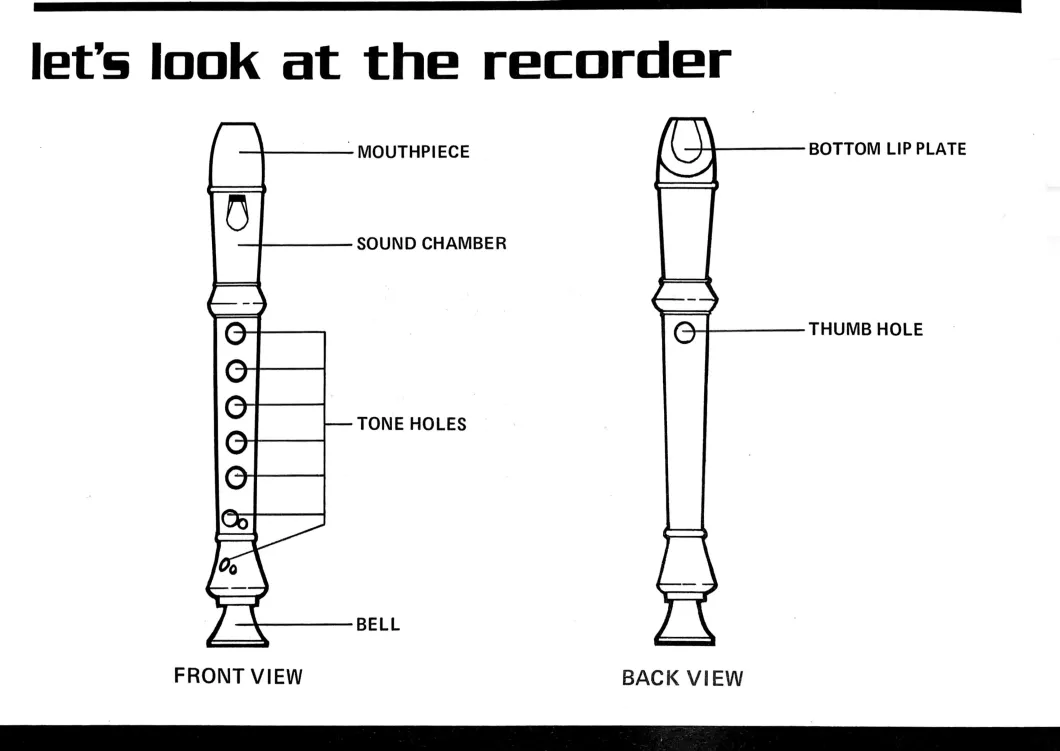
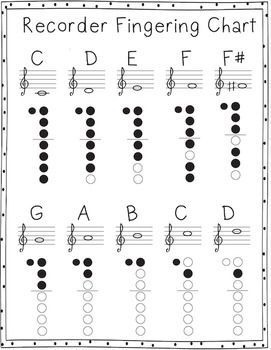
A recorder is a wind instrument. You make music by blowing air into it. The mouthpiece is the top part where you place your lips. The body has finger holes. The bell is the opening at the bottom. Covering different holes changes the notes, or musical sounds.
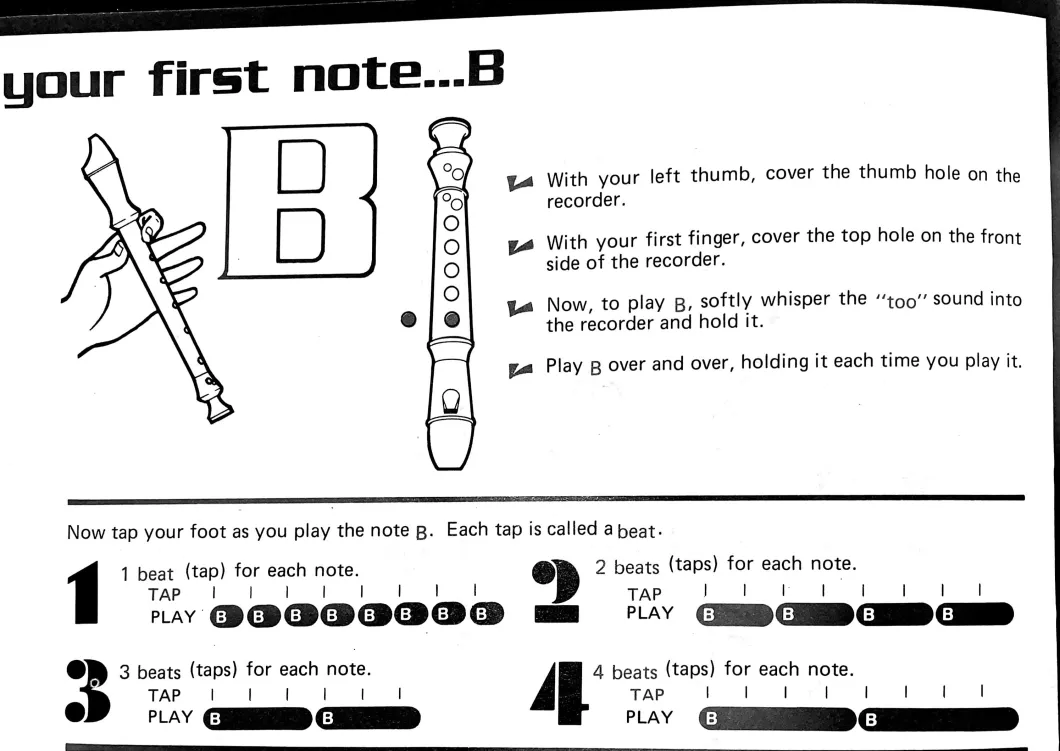
Hold your recorder with your left hand above your right hand. Your left thumb covers the hole on the back. Use soft finger pads to cover holes completely. Hold gently, and keep the recorder still. Walk with it down at your side, away from your mouth. Sit or stand tall, with relaxed shoulders. Keep your head up and your feet steady. Rest the mouthpiece lightly between your lips.
Do not bite it. Blow gently, like cooling warm soup. Blowing too hard can make a squeaky sound. Wash your hands before playing. Never share mouthpieces. After playing, use a cleaning rod and soft cloth as your teacher shows you. Store your dry recorder in its case. Follow your teacher’s cleaning directions. Play only when your teacher gives the signal. During directions, rest your recorder quietly in your lap. Listen to others, take turns, and keep practicing!


You must be logged in to post a comment.